Modern Life Isn’t The Norm. It’s The Experiment
Modern life is a bit of a trip when you think about it.
We get up at the crack of dawn, get suited and booted.
Drop the kids off with relative strangers where they will, at best, learn something useful and, at worst, be managed by other adults so we don’t get arrested for leaving them home alone.
We trudge through traffic swearing at our fellow citizens for their apparent inability to operate a motor vehicle.
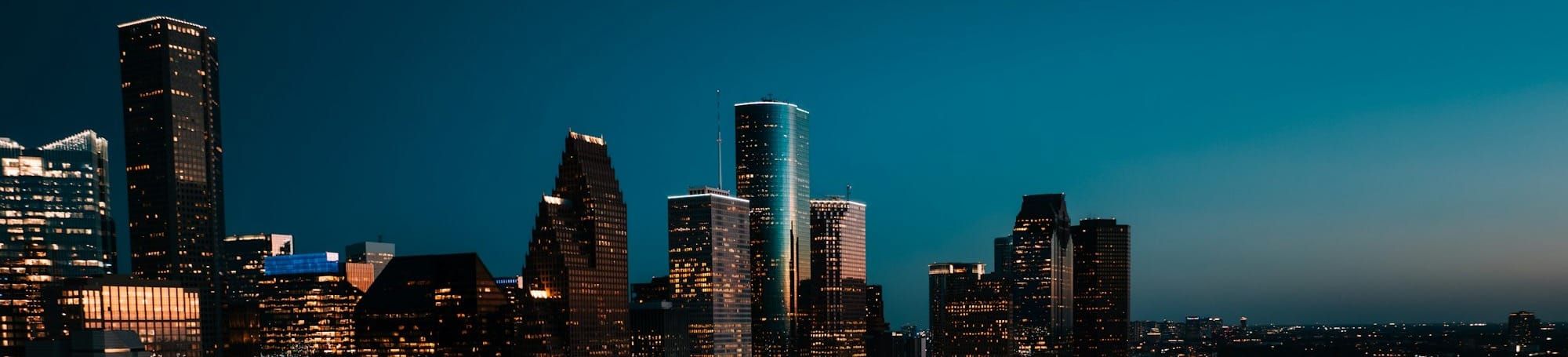
We head to giant towers filled with people staring at computers and taking virtual meetings with colleagues sitting ten feet away.
We eat lunch at our desks while scrolling our phones and answering emails.
Then we rush out the door to pick up the kids, make it to extracurriculars, and hopefully get dinner on the table. Or at least picked up on the way home.
We collapse onto the couch, turn on a streaming service, perhaps pour ourselves a drink to turn off our brains, and roll into bed to do it all again tomorrow.
And we act like this is normal.
Like this is simply how humans live.
Like this is the inevitable destination of civilization.
But when you zoom out, it’s barely a blip.
For most of human history, people lived close to their work, their food, and their families.
Children learned by participating in real life.
Grandparents passed skills directly to grandchildren.
Work and home weren’t separate worlds.
Communities weren’t something you scheduled. They were simply where you lived.
Then, in the span of a few generations, everything changed.
My grandparents were farmers.
My parents were among the first generation to leave the farm.
My generation was raised to believe the destination was the office.
Success meant degrees, careers, promotions, retirement accounts, and professional titles.
And to be clear, I’m not pretending the old way was easier.
I like hot water.
I like electricity.
I like the internet.
I don’t think we should be churning our own butter by candlelight.
But this modern lifestyle? The hustle? The endless pursuit of optimization, productivity, and convenience?
That’s the experiment.
Not the farm.
Not the garden.
Not the family meal.
Not the local community.
Those things existed, in one form or another, for thousands of years.
The office park, the daily commute, the screen-filled childhood, the food shipped across continents, and the separation of work, family, and community into neat little compartments?
That’s new.
What’s interesting is that many millennials seem to be feeling this instinctively.
After spending much of our childhood running away from the lives our grandparents lived, many of us now find ourselves drawn back to pieces of them.
We were told success meant clean hands, professional titles, and climate-controlled buildings.
Yet now we spend our weekends learning how to garden, bake bread, preserve food, raise chickens, homeschool our children, build businesses from home, and reconnect with skills that were commonplace just a few generations ago.
Not because we’re moving backwards.
Because we’re searching for something we didn’t realize we’d lost.
I feel this personally.
My grandparents carried knowledge that had been passed down through generations.
Knowledge about growing food, fixing things, making do, and living close to the necessities of life.
At the time, I didn’t think much of it.
Why would I?
The future was technology, education, and careers.
I assumed those skills would always be available if I ever needed them.
I didn’t realize they were leaving with the people who carried them.
Maybe that’s part of what we’re seeing now.
Not a rejection of progress.
Not nostalgia.
Not some collective desire to return to the 1950s.
But a recognition that, in our pursuit of convenience and efficiency, we may have traded away more than we realized.
The question isn’t whether modern life is better or worse.
The question is whether we’re willing to honestly evaluate the results of the experiment.
What did we gain?
What did we lose?
What made life easier?
What made life meaningful?
And which pieces are worth bringing back?
Maybe the future isn’t about rejecting modernity.
Maybe it’s about taking the best of both worlds.
Keeping the hot water and the internet.
While reclaiming the skills, relationships, and sense of groundedness that humans relied on for thousands of years.
Modern life isn’t the norm.
It’s the experiment.
And experiments are allowed to be questioned.
-HHH