Vision Health Habits
The idea that eyesight can improve over time isn't exactly mainstream.
Most of us are told the opposite: vision naturally declines with age, and once you need glasses, you'll likely need stronger prescriptions as the years go on.
The first time I encountered a different perspective was while reading Renegade Beauty by Nadine Artemis several years ago. She discussed sunlight, eye health, and a book called Take Off Your Glasses and See by Dr. Jacob Liberman, an optometrist who questioned why we readily accept that the eyes are incapable of healing or adapting while the rest of the body is remarkably resilient.
His work explores concepts such as eye exercises, visualization, reducing visual strain, and whether certain vision challenges may be improved through training and awareness.
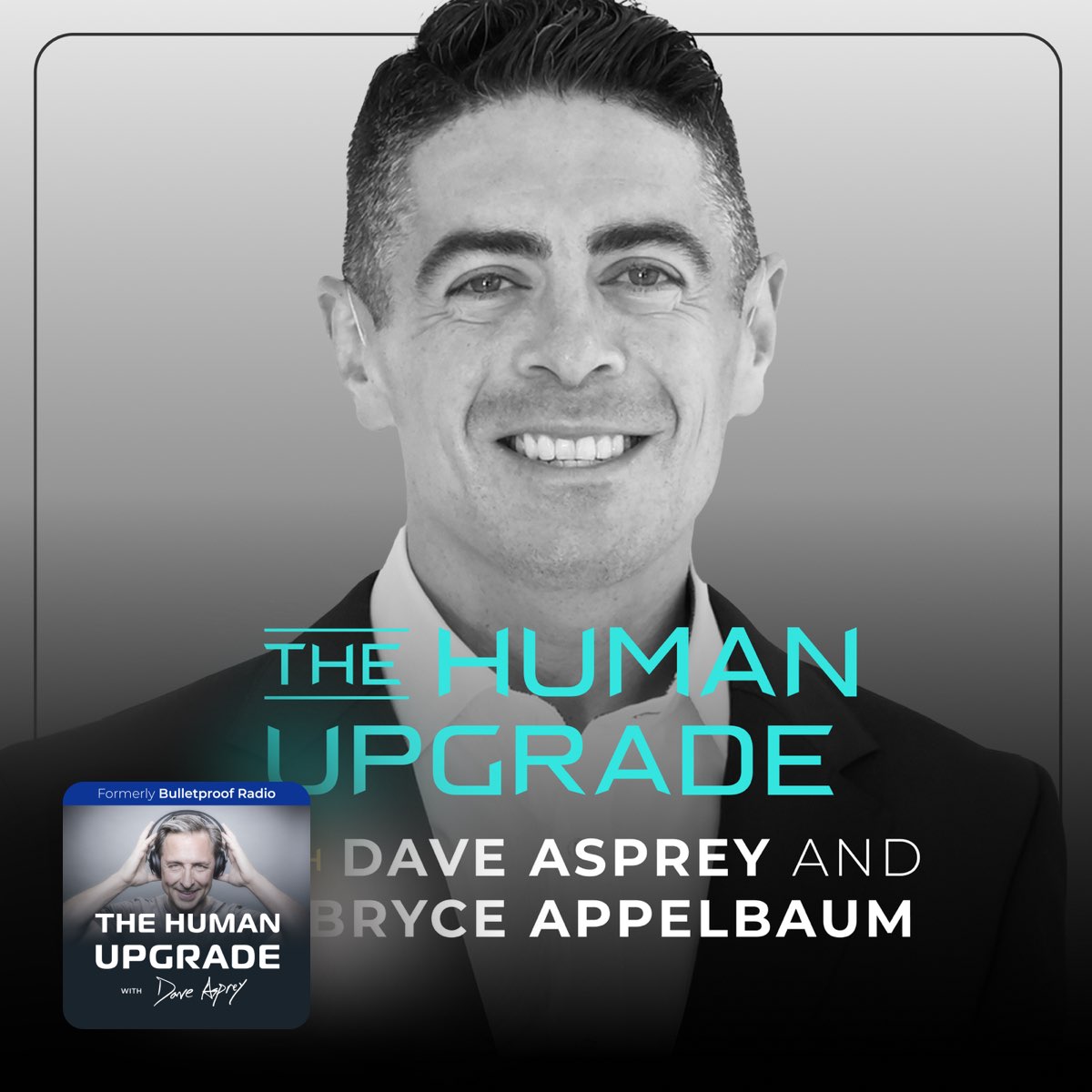
Recently, I revisited the topic after listening to a podcast featuring Dr. Bryce Appelbaum, a developmental optometrist who focuses on vision training and rehabilitation.
The conversation reignited my interest because my own eyesight has always been a little unusual. One eye is near-sighted with astigmatism, while the other is far-sighted. Together they function surprisingly well, but independently they're limited. I've also noticed that periods of heavy computer use and consistent glasses wear seem to affect my vision differently than periods where I'm spending more time outdoors and away from screens.
One of the most interesting takeaways from the podcast was the idea that vision affects far more than simply seeing clearly. Symptoms such as motion sickness, difficulty concentrating, eye fatigue, headaches, and even using reading as a way to fall asleep may, in some cases, be related to visual stress or inefficient visual processing.
Whether or not vision can truly be "reversed," I'm intrigued by the idea that eye health may be more trainable than we've traditionally been led to believe.

I’ll break it down for you:
Exercises (10-15 mins a day):
Near and Far focus:
Put your finger in front of one eye and your hand over the other. Bring your finger as close to your eye as you can until it starts to get blurry. Focus on the finger until the blurring begins to subside and then remove your finger and switch your focus to something farther in the distance allowing your eye to relax. Switch to your other eye and repeat.
Eye Movements:
With head straight ahead. Look as high up as you can without moving your head, now look down as far as you can without moving your head. Do the same side to side as well as in diagonals. Always make sure you do both eyes for balance.
Palming:
Similar to in yoga practice, rub your hands together and place your palms over your eyes. This allows your eyes to relax and reduces strain. Especially after (or during) some major computer sessions.
Periphery Pointing:
Looking straight ahead notice something in the periphery in one eye. Point to it and then turn your head to see if you are pointing to the object that you have selected. If you are, great! If not, something to keep practicing. Repeat on other side.
Other Important factors:
Get Outside:
Your eyes improve their health when we’re outside. Looking at long distances, observing horizons. Gazing at clouds. As a matter of fact, UV light is incredibly important for your eyes and circadian rhythms. If you‘re wearing sunglasses, this will negate the impact. Now, I’m not telling you to look directly in the sun at high noon or be outside for 12 hours during the day with no sun protection. But what I am saying, a moderate amount of sunlight during the day with nothing blocking your eyes is incredibly beneficial.
Eat your Carrots:
Yes the old wives tale is true. Beta-carotene is a nutrient that your body converts to Vitamin A which is an antioxidant of which your retina needs lots of. It also helps keep your eyes moist.
Other nutrients:
Zinc deficiency is linked to poor night vision and macular degeneration. Omega-3s are needed for healthy vision. Vitamin E and C both are antioxidants which keep free radicals at bay.


Resources:
 Living Libations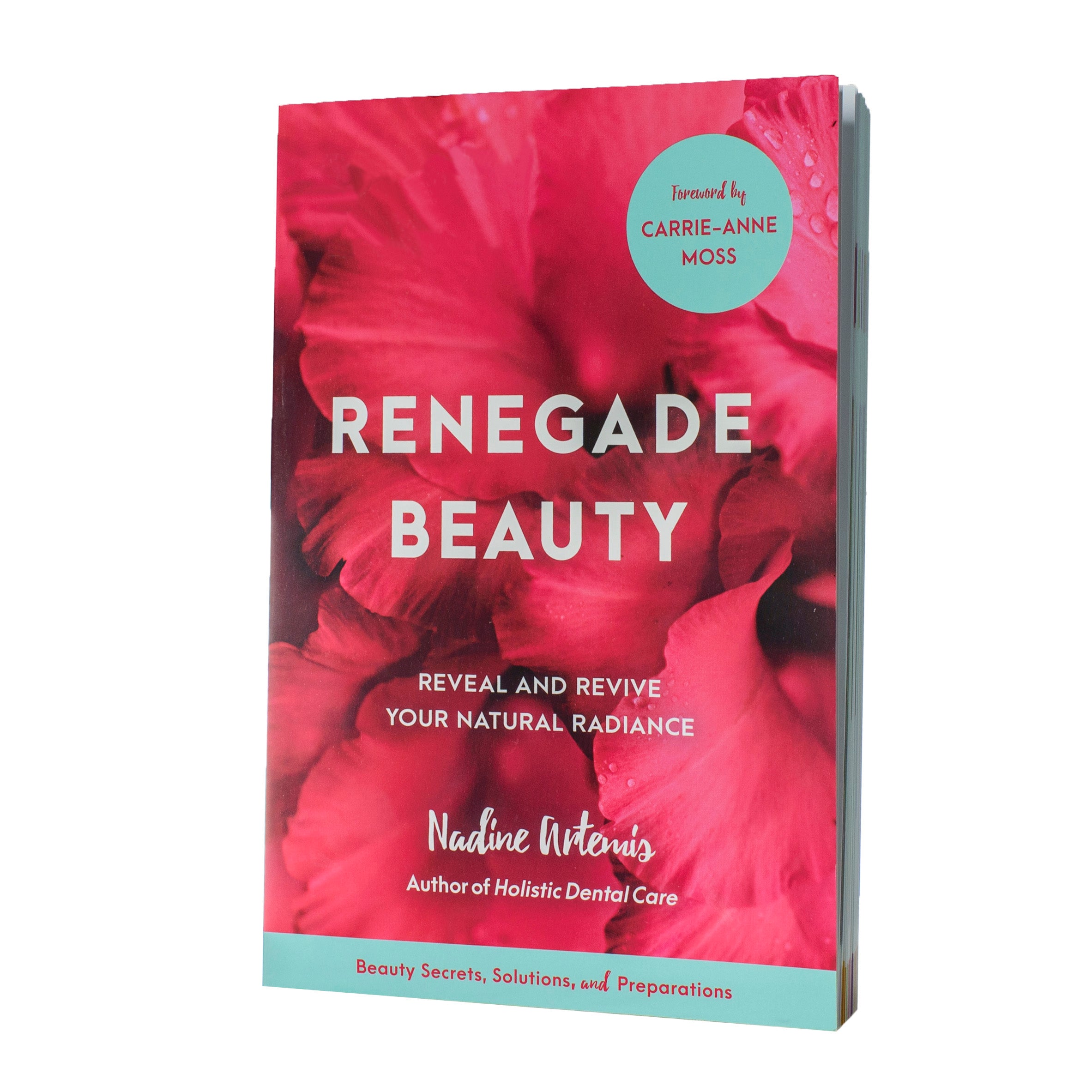
 Follow