My Top Natural Oral Health Care Tips
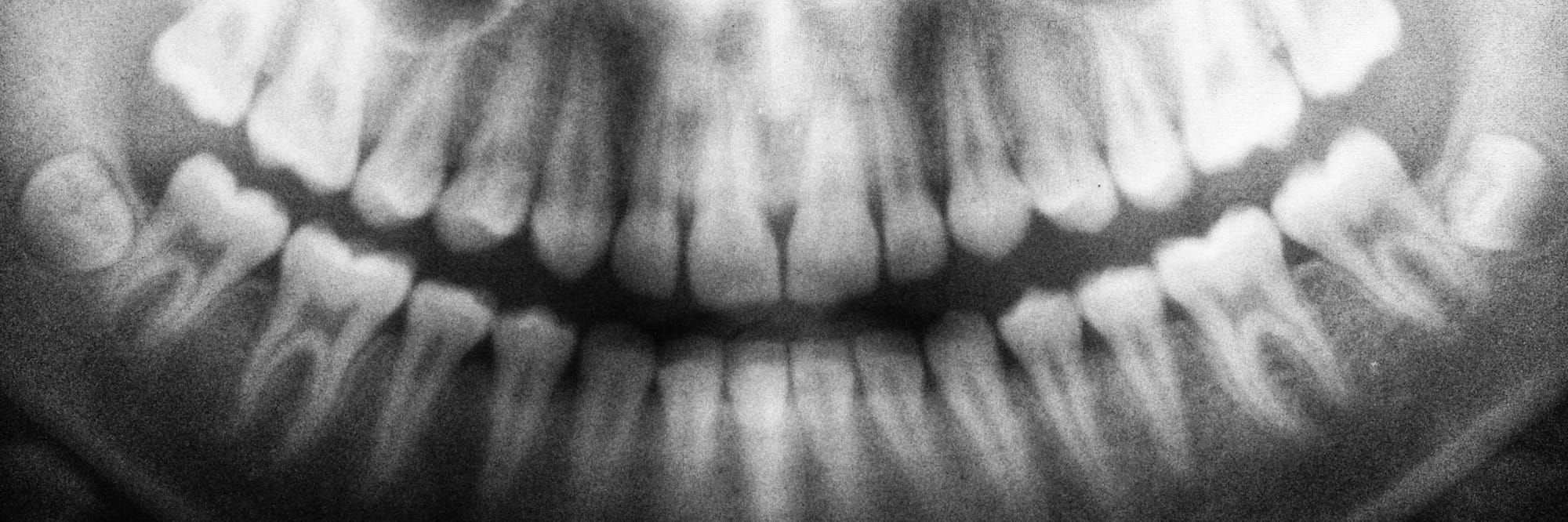
What if cavities, gum disease, bad breath, sleep quality, digestion, and even immune health were all connected to the tiny ecosystem living inside your mouth?
Once I started learning about the oral microbiome, I realized oral health isn't just about teeth—it's about whole-body health.
Some major resources to me have been:
- Holistic Dental Care: The Complete Guide to Healthy Teeth and Gums by Nadine Artemis. It is a read you can get through in about 1-2 hrs and will change the way you see the mouth.
- Breath: The New Science of a Lost Art by James Nestor is a game changer. Absolutely blew my mind about how we breathe and how it impacts our whole skull’s skeletal structure.
- The Podcast by Dr. Mark Burhenne called Ask the Dentist
- Dr. Dominik Nischwitz (@drdome1) on Instagram.
From the amalgamation of all of these resources (plus a bunch of studies!) these are my natural oral health recommendations to help you along in your journey.
I'll break down my daily routine for you and then you can see the rabbit holes I've gone into as to why I've implemented this items into my day.
Morning:
- Coconut oil Pull (5-10 mins)
- Brush w/Hydroxyapatite & Xylitol
- Take Colostrum
- Take Vitamin D3/K2
Throughout the Day
- Hydrate w/Electrolytes
- Eat a Healthy Diet
Night:
- Brush w/Hydroxyapatite & Xylitol
- Tongue Scrape
- Salt Water Rinse
- Xylitol Nasal Spray
- Floss
- Mouth Tape
Brush & Floss
This one probably goes without saying, but brushing and flossing are still the foundation of good oral health. The goal isn't to scrub your teeth spotless—it's to gently disrupt the plaque and bacteria that naturally accumulate throughout the day.
Use a soft-bristled toothbrush and gentle pressure. When I was younger, I thought a firm brush and aggressive scrubbing would give me whiter teeth. Instead, it contributed to gum recession. A soft brush used properly for a couple of minutes does an excellent job.
If you've eaten something particularly acidic—such as citrus, vinegar, soda, or wine—consider waiting 30–60 minutes before brushing. Your saliva is working to restore the mouth's pH and remineralize enamel, and brushing immediately afterward may contribute to enamel wear over time.
And don't forget the spaces between your teeth. Flossing helps remove plaque and food particles that your toothbrush simply can't reach. Personally, I prefer silk or more natural floss options. Right now I'm using this one, but I've also had great experiences with Dr. Tung's.
Coconut Oil Pull
Coconut oil pulling involves swishing a tablespoon of coconut oil around in your mouth for 5–10 minutes, ideally first thing in the morning before eating or drinking. When you're finished, spit it into the garbage rather than the sink to avoid clogged pipes.
While oil pulling has roots in Ayurvedic medicine, modern research suggests it may help reduce plaque and support gum health. One reason coconut oil is often used is its high concentration of lauric acid, a fatty acid with antimicrobial and anti-inflammatory properties. Interestingly, lauric acid is also found in human breast milk.
Personally, coconut oil pulling has been one of the simplest additions to my oral health routine. Between dental appointments, I started oil pulling regularly. At my next cleaning, my hygienist commented, "Wow, your gums look so healthy and pink—what have you changed?" When I told her I had started oil pulling with coconut oil, she didn't quite believe me. Ha!
Make sure it's organic, virgin and cold-pressed. Full points for glass container. Like this one
There are so many fascinating uses and benefits of coconut oil that I'll likely dedicate an entire post to it in the future.


Tongue Scrape
Tongue scraping is an Ayurvedic practice that has traditionally been used to support oral health, freshen breath, and aid digestion. While some of the broader health claims are still being studied, one thing is clear: our tongues can accumulate a significant amount of bacteria, food debris, and dead cells.
One of the primary causes of bad breath is the production of volatile sulphur compounds by bacteria living on the tongue. Tongue scraping helps remove this coating, which is why many people notice fresher breath almost immediately.
Some research has also found benefits beyond oral hygiene. One study reported improvements in digestive function and even found a 2.8-fold improvement in constipation symptoms among participants. While the exact mechanism isn't fully understood, traditional medicine attributes some of these effects to stimulation of the tongue and its connection to the digestive system.
For tongue scraping, I prefer a copper scraper due to copper's natural antimicrobial properties. Simply scrape from the back of the tongue toward the front 5–10 times, rinsing the scraper as needed, until most of the coating is gone. There's no need to be aggressive—a gentle pass is all that's required. If you're causing irritation or bleeding, you're pressing too hard.
It's a simple practice that takes less than a minute and has become a permanent part of my evening routine.
 Miki Matsui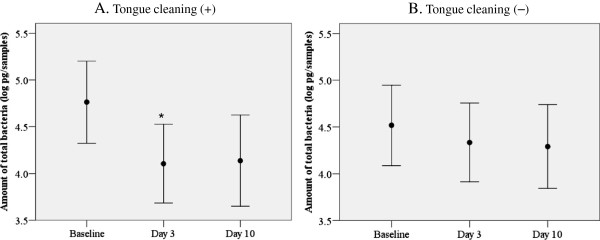
 A Tokinobu
Salt Water Rinse
This one might be the simplest recommendation on the list, yet it's often overlooked.
What did our grandmothers tell us to do when we had a sore throat? Gargle with salt water. What do dentists commonly recommend after an extraction or other dental procedure? A warm salt water rinse.
There's a reason this remedy has stood the test of time. Salt water helps create an environment that is less hospitable to harmful bacteria, supports the mouth's natural healing processes, and can temporarily soothe irritated gums and tissues.
Research has also found that salt water rinses may help reduce plaque and support overall oral health. In one study, a salt water rinse performed comparably to chlorhexidine for certain measures of plaque control, suggesting it can be a useful addition to a daily oral hygiene routine.
I like to use a simple rinse made with warm water and a pinch of mineral-rich sea salt. It's inexpensive, takes less than a minute, and is one of the easiest ways to support a healthy oral environment.
Sometimes the old remedies stick around because they work.
 V Aravinth
Mouth Tape
This has been one of the most impactful changes I've made for my oral health.
For years, I was a tried-and-true mouth sleeper. Then I read James Nestor's book Breath: The New Science of a Lost Art and quickly got over my hesitation about how strange mouth taping sounded. I decided to give it a try.
The benefits were immediate.
The first thing I noticed was that I no longer woke up with a dry mouth. This is important because saliva is one of our body's primary defenses against cavities and gum disease. It helps regulate the mouth's pH, wash away food particles, and support a healthy oral microbiome. When your mouth dries out overnight, harmful bacteria have a much easier time thriving.
I also found that I slept more deeply and woke up feeling more refreshed. Nasal breathing naturally increases the amount of nitric oxide delivered to the lungs, which plays a role in circulation, oxygen delivery, and overall respiratory function.
Many people also report improvements in snoring when they switch from mouth breathing to nasal breathing during sleep.
A quick note: mouth taping isn't appropriate for everyone. If you have significant nasal congestion, breathing difficulties, or sleep apnea, it's worth speaking with a healthcare professional before trying it.
As for the tape itself, I've tried a few options and keep coming back to this one. It's gentle on the skin, stays in place throughout the night, and is flexible enough that if one of your kids wakes you up at 2 a.m., you can still have a conversation without feeling trapped behind industrial-strength adhesive.
 Mark Burhenne, DDS
 J O Lundberg
Hydroxyapatite
Hydroxyapatite is one of my favourite discoveries in the oral health world.
It's a biomimetic compound, meaning it mimics the primary mineral naturally found in our teeth and bones. In fact, enamel is made up primarily of hydroxyapatite crystals. When used in toothpaste, hydroxyapatite has been shown to help remineralize enamel, reduce sensitivity, and support overall tooth health.
For decades, fluoride has been the standard ingredient used to strengthen enamel and help prevent cavities. Hydroxyapatite offers a different approach by supplying the same mineral our teeth are naturally made from.
I prefer hydroxyapatite over fluoride. While fluoride has long been used in dentistry, I have concerns about chronic fluoride exposure, particularly given the ongoing research into potential neurodevelopmental effects and the growing debate surrounding fluoride safety. Recent court cases and scientific reviews have raised questions that I believe deserve further investigation.
Personally, I use Boka. This one for me. This one for my kids.
But there are lots of great ones to choose from.
- FYGG (Feed Your Good Guys) by Dr Mark Burhenne & Dr. Staci Whitman
- Living Libations
 ✉Corresponding author.


 Philippe Grandjean
Xylitol
Xylitol is a fascinating tool for oral health.
It's a naturally occurring sugar alcohol found in small amounts in fruits and vegetables such as strawberries, plums, pumpkin, and cauliflower. Commercially, it's often derived from birch trees or corn cobs.
Unlike regular sugar, xylitol doesn't feed the bacteria responsible for tooth decay. In fact, research suggests it may help reduce populations of Streptococcus mutans—one of the primary bacteria associated with cavities. In one study, participants chewing xylitol gum experienced significantly lower levels of S. mutans compared to a placebo group after just a few weeks.
Beyond oral health, xylitol has also been studied for its potential role in reducing ear infections and supporting nasal health, which is why you'll often find it in nasal sprays as well as toothpastes, chewing gums, mints, and oral probiotics. Personally, I'm a big fan of xylitol nasal spray and always keep one on hand.
One of the most fascinating studies looked at mothers who regularly chewed xylitol gum during pregnancy and early motherhood. Researchers found benefits in the oral health of their children years later, likely because reducing cavity-causing bacteria in the mother also reduced transmission to the child.
Many of the products I've mentioned throughout this article—including my favourite hydroxyapatite toothpastes—also contain xylitol, making it an easy addition to an already healthy oral care routine.
Important: Xylitol is extremely toxic to dogs, even in small amounts. Keep xylitol-containing products well out of reach of pets.
 E Söderling
 Özer Akgül
Oral Probiotics & Colostrum
Just like our gut, our mouths have their own microbiome—a complex ecosystem of bacteria that can either support oral health or contribute to cavities and gum disease. So for my kiddos I give them an oral probiotic every night before bed after we brush. We use this one by Super Teeth.
Another option is colostrum. Full of lactoferrin which studies have indicated helps deter cavities, gingivitis and periodontal disease by reducing pathogenic bacteria and increasing mucosal immunity. I take ARMRA and just scoop it dry and it tastes like powdered milk. The kids will easily take it as well. I have also tried Adapt Naturals and quite liked it. But enjoyed the taste of ARMRA more.
 *Correspondence: mikhael.bechelanyumontpellier.fr (M.B.); sercankarav@comu.edu.tr (S.K.)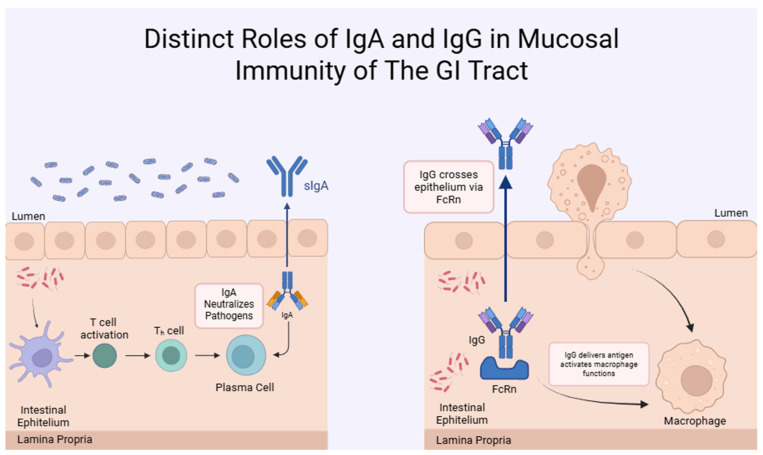
Vitamin D3 & K2
Vitamin D3 and K2 are two nutrients that I consider foundational for overall health—including oral health.
Vitamin D plays an important role in calcium metabolism, bone health, immune function, and inflammation regulation. While our teeth aren't technically bones, they rely on many of the same minerals and biological processes to remain strong and healthy.
Research has found that people with periodontal disease often have lower vitamin D levels than those with healthy gums, suggesting vitamin D may play an important role in maintaining the tissues that support our teeth. Vitamin D also helps regulate inflammation and supports the immune system's ability to respond appropriately to bacteria in the mouth.
Vitamin K2 works alongside vitamin D by helping direct calcium to where it is needed most, including bones and teeth. For this reason, many practitioners recommend taking them together.
 *Correspondence: vmachadoegasmoniz.edu.pt †These authors contributed equally in this study.
Eat a Healthy Diet
You've probably heard the saying, "You are what you eat." The same is true for your teeth.
One of the biggest things you can do for your oral health is reduce your exposure to foods that feed cavity-causing bacteria. Sugar is the obvious culprit, but sticky, starchy foods can be just as problematic because they cling to the teeth and provide a steady food source for oral bacteria.
Dr. Mark Burhenne often points out that one of the worst offenders for kids isn't candy—it's crackers. Foods like Goldfish crackers, crackers, and other processed starches can get lodged in the grooves of teeth and stick around long after snack time is over. Dried fruit falls into a similar category. While it may seem healthier than candy, it's often just as sticky and can spend hours coating the teeth.
On the other hand, foods that require chewing can be incredibly beneficial. Crunchy fruits and vegetables such as apples, carrots, celery, and cucumbers help stimulate saliva production and mechanically disrupt plaque buildup on the teeth.
Chewing tougher, fibrous foods also encourages proper jaw development and palate formation, something that many traditional cultures benefited from before the rise of highly processed foods.
In other words: feed yourself well, feed your oral microbiome well, and your teeth will usually thank you for it.
Hydrate (with electrolytes)
One of the simplest ways to support your oral health is to stay hydrated.
Saliva is one of the body's most important defenses against cavities and gum disease. It helps neutralize acids, wash away food particles, support a healthy oral microbiome, and deliver minerals that help protect and remineralize teeth. When you're dehydrated, saliva production can decrease, leaving your mouth more vulnerable to bad breath, plaque buildup, and tooth decay.
That's why I make hydration a priority. I drink plenty of water throughout the day and often add electrolytes or a pinch of mineral-rich sea salt. My personal favourites are LMNT and Baja Gold sea salt (thank you, Gary Brecka).
Minerals play an important role throughout the body, and a well-hydrated mouth is simply better equipped to maintain a healthy environment for your teeth and gums.
Sometimes the best oral health tool isn't a fancy supplement or gadget—it's a glass of water.
Health starts in the mouth.
You don't need to implement everything on this list. Pick one habit, stay consistent, and build from there. Small daily actions compound over time—and your teeth, gums, and oral microbiome will thank you for it.
-HHH
A quick note: Half Hearted Hippie participates in affiliate programs, which means I may earn a small commission if you purchase through certain links. It doesn't cost you anything extra, and it helps support the time, research, and content that goes into this site. I only share products and resources that align with my values and that I'd feel comfortable using myself.